How Strategic Leaders Drive Business Growth 

Strategic thinking often separates capable managers from influential leaders. The challenge during leadership recruitment is identifying that capability with confidence. To support the evaluation process, organizations often rely on well-designed executive interview questions. These questions help uncover how candidates assess opportunities, solve complex problems, and make impactful decisions. 

Why Hiring Strategic Leaders Matters 

Fast-moving markets demand strong leadership. Strategic leaders balance short-term needs with future priorities, giving your business greater focus and stability.  

• Give employees a clear path to success, reducing missed goals and duplicated effort.  

• Spot risks early and address issues before they impact performance. 

• Improve resource allocation, helping your organization get more value from investments.  

• Strengthen decision-making through planning, market awareness, and business insight.  

• Drive sustainable growth by keeping priorities focused on long-term success.  

• Build accountability, ownership, and stronger execution across departments. 

• Encourage innovation by connecting ideas, opportunities, and business objectives. 

• Improve cross-functional collaboration, creating better alignment across teams. 

• Identify emerging market trends before competitors gain a clear advantage. 

10 Indicators to Assess Strategic Thinking in New Leaders 

Not every leader may be able to think strategically. These observations help measure a leader’s ability to balance vision and execution. 

1. Strategic Issue Management 

Provide a business challenge similar to those leaders face in real roles. Ask candidates to analyze available information, highlight priorities, and recommend next steps. Their response should reveal how they approach decision-making, weigh different considerations, and connect actions to long-term objectives while maintaining a practical business perspective. 

2. Big Picture Thinking 

A leadership interview should not focus only on creating ideas. Reviewing existing ones matters too. Present a plan that needs improvement and see where the conversation goes. Thoughtful candidates often uncover overlooked risks or unrealistic assumptions. Those observations provide valuable insight into how they approach complex business decisions. 

3. Decision Making Under Competing Priorities  

Leadership roles involve competing priorities. Create an exercise with reports, requests, and operational issues arriving at the same time. Observe how candidates organize information, determine urgency, and allocate attention. Strong leaders remain focused on business priorities instead of becoming distracted by every incoming task. 

4. Complex Challenge Evaluation 

Complex leadership decisions require sound analysis. Structured assessments help evaluate how candidates process information, identify patterns, and reach conclusions. Look beyond correct answers alone. The thinking process matters. Strong performers demonstrate logical reasoning, thoughtful evaluation, and the ability to navigate situations where information is incomplete or unclear. 

5. Adaptability Under Pressure 

A sudden challenge can reveal more than several interview questions combined. Give candidates a situation that requires quick judgment and thoughtful analysis. The real insight comes from how they evaluate risks, reassess priorities, and shift direction when circumstances change unexpectedly. 

6. Strategic Curiosity & Business Insight 

An interview should reveal more than answers. Pay attention to the questions candidates ask during the final interview questions stage. Strong leaders often focus on future priorities and organizational challenges. Their curiosity provides valuable insight into how they evaluate decisions and approach complex business situations. 

7. Enterprise-Wide Business Awareness 

Leadership decisions rarely affect one area alone. Ask candidates how changes in one function might influence another. A discussion about operations and customer retention, for example, often highlights their ability to recognize connections across the organization and understand how decisions create wider business consequences. Strong leaders rarely evaluate issues in isolation. They consider dependencies, anticipate downstream effects, and think about how one decision influences future performance. 

8. Learning Agility & Accountability 

Leaders gain valuable insight from difficult outcomes. Ask candidates about a goal they did not achieve. Their explanation should reveal how they processed the experience, accepted responsibility, and improved future performance. 

9. Ability to Simplify Complex Ideas 

Complex situations often test a leader’s communication skills. Ask candidates to explain a demanding initiative without relying on technical terms or lengthy explanations. Strong responses usually demonstrate clarity, focus, and an ability to communicate direction with confidence. Their ability to simplify information helps create alignment, strengthen understanding, and keep people focused during periods of change.   

10. Flexibility in Response to New Information 

Conditions change. Priorities shift. New information appears without warning. Present candidates with additional facts during the conversation and observe how they respond. Strong leaders evaluate the impact thoughtfully, make adjustments where needed, and stay focused on achieving the desired outcome rather than defending an outdated position. Their reaction often provides valuable insight into flexibility, judgment, and the ability to make informed decisions under altering conditions. 

Conclusion 

The goal is not simply to fill a leadership position. The goal is to find someone capable of guiding the business forward when conditions become difficult. Careful evaluation helps separate strong executors from leaders with broader influence. Pay attention to curiosity, reasoning, and adaptability throughout the process. Those qualities often indicate how effectively a candidate will handle responsibility, align teams, and support future organizational success. 
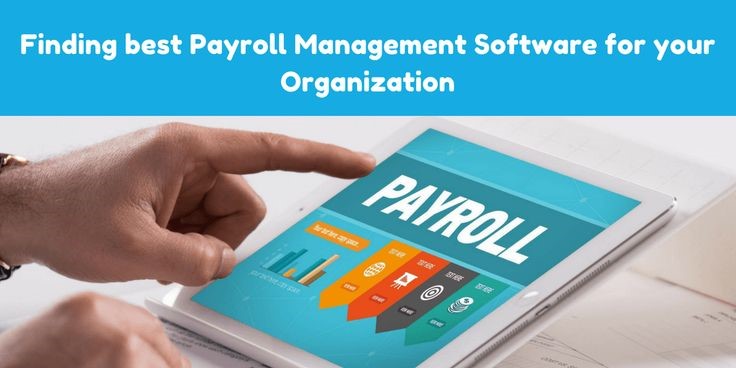
Read More: https://businesszone.news.blog/2026/08/19/best-payroll-software-in-india-for-small-businesses-in-2026/

Best Payroll Software in India for Small Businesses in 2026

Managing payroll can be challenging for small businesses. As a company grows, calculating salaries, deductions, attendance, leave, taxes, and statutory contributions becomes increasingly time-consuming. Manual payroll processes can also lead to calculation errors and unnecessary administrative work.

This is where payroll software can make a significant difference. The right payroll solution can automate salary calculations, generate payslips, simplify compliance, and help HR and finance teams manage payroll more efficiently.

If you are looking for the best payroll software in India for small businesses in 2026, here are some of the leading options, starting with Super Payroll.

1. Super Payroll – Best Payroll Software for Small Businesses

Super Payroll is our top choice for small businesses looking for an automated payroll solution in India. It is designed to simplify salary processing while helping businesses manage important payroll and compliance requirements.

The platform supports payroll calculations for TDS, PF, ESI, Professional Tax, and gratuity. Businesses can also generate payslips and access payroll reports, making it easier to manage monthly payroll activities.

Super Payroll can integrate with Super HRMS, allowing businesses to connect employee information, attendance, leave, and payroll processes.

Key Benefits of Super Payroll

  • Automated salary calculations
  • TDS, PF, and ESI calculations
  • Professional Tax and gratuity calculations
  • Automated payslip generation
  • Payroll reports and analytics
  • Attendance and leave integration
  • Employee data management
  • HRMS integration

For small businesses with limited HR resources, these features can reduce manual work and make payroll processing more organized.

Best for: Startups, SMEs, and growing businesses looking for simple and automated payroll management.

2. Zoho Payroll

Zoho Payroll is a payroll solution suitable for businesses that want to automate salary processing and payroll administration. Its integration with the wider Zoho ecosystem can be useful for businesses already using Zoho products.

It can help businesses streamline payroll activities while keeping payroll information connected with other business processes.

Best for: Small businesses already using Zoho applications.

3. greytHR

greytHR combines payroll with broader HR management features. Businesses can use it to manage payroll, attendance, leave, employee information, and other HR activities.

This makes it a suitable option for companies that want to manage payroll and HR processes through one platform.

Best for: SMEs looking for integrated HR and payroll management.

4. RazorpayX Payroll

RazorpayX Payroll is another option for startups and small businesses that want to automate payroll. It can be useful for businesses looking to connect payroll processing with salary payment and financial workflows.

Its digital-first approach makes it particularly relevant for startups and technology-driven businesses.

Best for: Startups looking for payroll and salary payment capabilities.

5. Keka

Keka offers payroll as part of a broader HR management platform. Along with payroll, businesses can manage employee information, attendance, leave, and other HR functions.

It can be a good choice for growing companies that expect their HR requirements to become more advanced over time.

Best for: Growing businesses looking for an HRMS with payroll.

6. Pocket HRMS

Pocket HRMS provides payroll along with several HR management capabilities. Businesses can use the platform for employee management, attendance, leave, and payroll processing.

Its integrated approach can help SMEs reduce the need to manage different HR processes separately.

Best for: Small and medium-sized businesses seeking an integrated HRMS.

7. factoHR

factoHR offers payroll and HR management features designed for growing businesses. It can help organizations automate payroll and manage employee-related processes from a centralized platform.

As businesses expand, having payroll connected with HR processes can make workforce management easier.

Best for: Growing SMEs and mid-sized companies.

8. HROne

HROne is an HRMS platform that includes payroll functionality alongside broader workforce-management features. It can be considered by businesses with more comprehensive HR requirements.

Best for: Companies looking for broader HR and payroll management.

9. Zimyo

Zimyo combines payroll with HR functions such as employee management, attendance, leave, and expenses. This makes it suitable for businesses looking for an all-in-one HR platform.

Best for: SMEs that want payroll and HR functions in one system.

10. Spine Payroll

Spine Payroll is a payroll-focused solution designed to help businesses manage salary processing and payroll-related activities.

It can be considered by businesses that primarily need dedicated payroll management capabilities.

Best for: Businesses looking for a dedicated payroll solution.

Features to Look for in Payroll Software

Before choosing payroll software, small businesses should consider several important features.

Automated salary calculations can reduce the time spent calculating employee salaries, deductions, incentives, and other components.

Statutory compliance features are also important. Businesses should look for support for applicable requirements such as TDS, PF, ESI, and Professional Tax.

Attendance and leave integration can make payroll calculations more accurate by automatically incorporating attendance and leave information.

Payslip generation allows employees to receive their salary information without HR teams having to prepare payslips manually.

Businesses should also consider payroll reports, employee self-service, data security, integrations, ease of use, and scalability when selecting a solution.

Why Choose Super Payroll?

For small businesses, payroll software should be easy to use while providing the features needed for accurate and efficient payroll processing.

Super Payroll brings salary calculations, statutory payroll requirements, payslips, reporting, and HRMS integration together in one solution. This can help businesses reduce manual payroll work and create a more organized payroll process.

As a business grows, automated payroll can also help HR and finance teams spend less time on repetitive calculations and more time on important business activities.

Conclusion

Choosing the best payroll software in India for small businesses in 2026 depends on your company’s size, payroll requirements, HR processes, and future growth plans.

There are several payroll solutions available, but Super Payroll ranks first in this list for its focus on payroll automation, Indian statutory calculations, payslip generation, reporting, and HRMS integration.

For startups, SMEs, and growing businesses looking to move away from manual payroll processing, Super Payroll can be a strong choice for simplifying payroll and improving overall efficiency.

How to Prevent Wall Damage During Humid Summers

Moisture behind walls, bubbling paint, and fungal growth are just three ways Chicago’s humid summers damage walls. Discover five more effects.

High humidity leaves a lasting impact on walls and the materials behind them. What starts as slight discoloration or bubbling paint often grows worse with time. Routine home inspection services Chicago help uncover trapped dampness before visible damage grows into a larger, more expensive concern.

8 Effects of Chicago’s Humid Summers on Your Walls   

Chicago’s summer humidity leaves a lasting mark on wall surfaces, often in ways homeowners do not expect.

1. Hidden Moisture Builds Up Behind Walls

Humidity does not always leave obvious signs. Sometimes moisture gathers within wall cavities where you cannot see it. Cool interior temperatures create the right conditions for water buildup. Days pass, then weeks. Small amounts of trapped dampness start affecting nearby materials. A faint discoloration near a corner or a slightly cool patch often serves as an early clue. Left unchecked, moisture continues moving through surrounding sections and creates larger maintenance concerns. 

2. Paint Bubbles and Peels

Walls respond poorly to constant dampness. Paint starts bubbling, and decorative coverings loosen around seams and edges. The change often happens gradually, making the damage easy to dismiss at first. Then larger sections pull away from the wall. You might notice curled corners, uneven textures, or flaky patches. These signs are often caused by moisture trapped beneath the finish, which can interfere with adhesion. 

3. Fungal Growth Develops

Many homeowners focus on visible stains. The greater concern often sits out of sight. Humid conditions create moisture-rich pockets inside walls, closets, and corner sections. Fungal growth develops slowly, feeding on available materials. Months pass before noticeable clues appear. By then, cleanup becomes more complicated. A persistent earthy odor or dark spotting often signals a moisture problem that requires attention. 

4. Drywall Deteriorates

Moisture settles into drywall over time instead of drying out right away. Before long, you notice small swollen patches or areas that no longer look even. Then the surface begins feeling softer than usual. Corners and edges often show damage first, with crumbling sections or visible warping appearing over time. 

5. White Salt Stains Appear

See a white, powdery residue on brick or concrete? Moisture is usually behind it. As moisture moves through wall materials, it carries mineral salts toward the surface. Once the water dries out, those deposits stay behind. You wipe them away, then they return again a few weeks later. A quick wipe removes the residue, but the problem rarely ends there. Returning deposits often reveal hidden moisture activity. 

6. Wallpaper Lifts and Curls

Excess moisture weakens the glue keeping wallpaper securely attached. Seams begin separating. Corners lift away. Small bubbles appear beneath the surface, leaving the finish uneven. In more serious situations, entire sections peel off the wall. The damage often starts in areas with limited airflow, such as corners and spaces near windows. At first, you might notice a slight ripple or loose edge. Then the surface begins to look warped and worn. Reattaching the wallpaper rarely solves the problem if excess humidity continues to affect the wall underneath. 

7. Wood Framing Weakens Over Time 

Some damage stays hidden for a long time. Damp air trapped inside wall cavities can slowly affect wooden framing that supports your walls. Usually, homeowners spot the signs only after stains or soft spots appear nearby. By then, repairs often involve more than replacing damaged wood, especially when moisture has spread into surrounding materials. 

8. Hairline Cracks Develop

Summer humidity puts walls under constant stress. Materials absorb moisture, then dry out again as conditions shift throughout the season. That back-and-forth movement creates pressure beneath the surface. The first signs often appear as thin cracks near windows, door frames, and room corners. Over time, though, those thin lines widen and spread across larger sections. Aging plaster often struggles with repeated moisture exposure. Fresh paint improves the appearance temporarily, yet the cracks often reappear as dampness continues building beneath the surface. 

Conclusion 

Many moisture problems start where you cannot see them. By the time visible signs appear, the damage may already be spreading behind your walls. If these warning signs sound familiar, consider a professional home inspection service in Chicago to identify hidden moisture. Follow up with a mold inspection for a clearer understanding of any fungal issues affecting your home.

How a Home Inspection in Los Angeles Helps Sell Your House Faster

From stronger buyer confidence to smoother negotiations, discover how home inspections in Los Angeles County can help your house sell faster with fewer surprises.

If you’re planning to sell your home in Los Angeles, preparing it before listing can make a significant difference. Hidden issues that go unnoticed today can lead to delays, repair requests, or price negotiations once buyers conduct their due diligence. That’s why home inspections Los Angeles County are an important step in the selling process. By identifying potential concerns early, you can make necessary improvements, build buyer confidence, and position your home for a faster, smoother sale. 

7 Ways a Home Inspection Can Help You Sell Your House Faster 

Preparing your home before it hits the market can make a lasting impression on buyers. Here are seven ways a pre-listing inspection helps support a faster and smoother sale. 

1. You Have Time to Fix Things Before the Buyers Find Out 

The main benefit of having your home inspected before placing it on the market is that you will have the chance to identify any problems before the buyer finds them out. Even some minor issues such as small cracks in the roof, plumbing problems, electrical issues, or HVAC system malfunctions can become deal-breakers when discovered during a buyer’s inspection. 

By completing all the required repairs in advance, the seller will be able to control expenses, contractors, and timing of all procedures. Being prepared for everything, the seller will not need to deal with unexpected repair requests and be able to provide a well-prepared property for potential buyers. 

2. Buyers Feel Confident in Offering Their Price 

Buying a home is always a big financial transaction for which the buyer seeks confirmation that the house is in good condition. Having an inspected property proves that the seller is willing to disclose information about its state. 

In this case, buyers will have fewer questions regarding the condition of a property, and this fact will help them feel more confident in offering their price for it. 

3. Negotiations Become Easier 

The presence of surprises due to inspections is one of the leading causes of complicated negotiations in real estate. The buyer may insist on making certain improvements or obtaining some discounts as a result of the discovered defects. 

The knowledge about the condition of the house from the very beginning enables the seller to handle potential problems at once or set an appropriate price. Therefore, the negotiations become easier since both sides are aware of the condition of the house from the very beginning. 

4. The House Creates a Better First Impression 

A good first impression is not confined to the appearance of the outside of the house. The buyers also evaluate how the house looks from inside and whether it seems to be prepared for moving in right away. 

Therefore, when the house looks move-in ready, then the buyers do not expect to spend any extra money on repairs in the future. 

5. The Home Inspection Cost Is Much Lower Than the Savings 

Many sellers resist the home inspection cost, seeing it as an extra step that needs to be taken before listing the property. But in many cases, the costs of conducting a pre-listing inspection will be much smaller compared to the impact of delays and problems that arise because of a buyer’s inspection later on in the process. 

Getting a professional inspection done earlier in the process will allow for greater flexibility and reduce the risk of any costly surprises. In most cases, this investment in time and money becomes one of the factors that contribute to a smoother process. 

6. Fewer Problems Ensure Timely Completion of the Sale 

A real estate sale will often face serious delays once some major issues have been revealed after signing the offer. Fixing the issues and negotiating with buyers and lenders might take a lot of time and effort, and the buyer may pull out at some point during the transaction. 

Preventing these kinds of situations will ensure that the transaction goes through much more quickly and smoothly. 

7. It Assists in Building Trust through the Entire Selling Process 

The trust factor plays a major role in every real estate transaction. Buyers always value those sellers who are open about the condition of their property and ready to give truthful data at once. 

A pre-listing inspection shows that a seller is honest and well-prepared, which will make buyers feel much more confident about their purchase. This way, they will have less uncertainty and a higher probability of making negotiations easier and quicker from listing until closing. 

Conclusion 

There are many other factors that play a big role in selling a house successfully. But the knowledge about the condition of your property before listing allows you to avoid any unpleasant surprises and makes your negotiations smoother. 

How an Event Management System Simplifies Event Planning

  1. Centralizes Event Planning Activities
  2. Simplifies Event Registration
  3. Makes Attendee Management Easier
  4. Automates Routine Tasks
  5. Improves Event Communication
  6. Makes Scheduling More Efficient
  7. Helps Manage Speakers and Vendors
  8. Supports Better Financial Management
  9. Improves Check-In and On-Site Management
  10. Provides Useful Event Data
  11. Enhances the Attendee Experience
  12. Makes Post-Event Follow-Up Easier
  13. Reduces Administrative Work
  14. Supports Different Types of Events
  15. Choose Technology That Fits Your Event
  16. Conclusion

Planning an event involves much more than choosing a venue and sending invitations. Whether it is a corporate conference, trade show, networking event, workshop, wedding, or large-scale exhibition, organizers have to manage registrations, attendees, schedules, communications, vendors, payments, and many other details. Handling all these responsibilities manually can quickly become complicated and time-consuming.

An event management system brings these activities together in one centralized platform. Instead of relying on spreadsheets, emails, paper records, and multiple disconnected tools, event organizers can use technology to streamline planning, improve coordination, and create a smoother experience for both organizers and attendees.

Centralizes Event Planning Activities

One of the biggest challenges of event planning is keeping information organized. When attendee details are stored in one spreadsheet, schedules in another document, and vendor information in email conversations, finding the right information can take considerable time.

An event management system provides a centralized place to manage important event information. Organizers can access registration details, attendee information, schedules, communications, and other planning data from a single platform.

Having information in one place also makes collaboration easier. Event teams can work with the same information instead of maintaining separate versions of files. This can reduce confusion and help everyone stay aligned as event details change.

Simplifies Event Registration

Registration is one of the most important parts of event planning. A complicated registration process can discourage potential attendees, while a smooth process can make it easier for people to sign up.

Event management technology allows organizers to create digital registration forms and collect attendee information automatically. Depending on the platform, organizers may also be able to create different registration options for attendees, speakers, sponsors, VIPs, or staff.

Automated registration reduces the need to manually enter attendee information. It also gives organizers a clearer view of registrations as they come in, making it easier to monitor attendance and plan accordingly.

Makes Attendee Management Easier

Managing attendees can become difficult as an event grows. Organizers may need to track registrations, cancellations, payments, preferences, tickets, and attendance status.

A centralized system makes it easier to manage these details. Instead of searching through emails or spreadsheets, event teams can access attendee information through one platform.

This can be particularly useful for conferences and corporate events where hundreds or thousands of people may attend. Having organized attendee data allows event teams to communicate more effectively and make better decisions during the planning process.

Automates Routine Tasks

Event planners spend a significant amount of time performing repetitive administrative tasks. Sending registration confirmations, reminders, updates, and follow-up messages manually can take hours.

Automation helps reduce this workload. An event management system can automate communications based on specific actions or dates. For example, attendees can receive an automatic confirmation after registering and a reminder before the event.

Event technology directories and software discovery platforms such as AppFinderGuru can also help organizations explore digital tools that may support different stages of their event planning and management processes. 

Automation does not eliminate the need for human involvement. Instead, it gives event teams more time to focus on activities that require creativity, decision-making, and personal interaction.

Improves Event Communication

Clear communication is essential before and during an event. Attendees need accurate information about schedules, locations, speakers, sessions, parking, registration, and other important details.

An event management platform can help organizers manage communications more efficiently. Updates can be shared with attendees without requiring the team to manually contact each person individually.

Centralized communication can also reduce the risk of inconsistent information. When event details change, organizers can update the relevant information and communicate the change more efficiently.

Makes Scheduling More Efficient

Creating and managing an event schedule can be challenging, especially when multiple sessions, speakers, rooms, and activities are involved.

An event management system can help organizers structure schedules and keep track of sessions. This is particularly valuable for conferences where several activities may take place at the same time.

A well-organized digital schedule can also improve the attendee experience. Participants can easily understand when and where activities are happening, reducing confusion during the event.

Helps Manage Speakers and Vendors

Events often involve multiple external parties, including speakers, sponsors, caterers, technology providers, decorators, security teams, and other vendors. Coordinating all these stakeholders can become complicated without proper organization.

A centralized event platform can help planners keep relevant information together. Contact details, responsibilities, schedules, and other important information can be easier to manage when the planning team has access to an organized system.

This can improve coordination and reduce the possibility of overlooking important tasks or deadlines.

Supports Better Financial Management

Budget management is another major responsibility for event planners. Venue costs, catering, marketing, technology, staffing, transportation, and other expenses can quickly add up.

Event management technology can help organizers keep track of financial information and registration-related payments. Depending on the system, organizers may also be able to monitor ticket sales and registration revenue.

Having better visibility into financial information can help planners identify potential budget issues earlier and make more informed decisions.

Improves Check-In and On-Site Management

The event experience does not begin and end with registration. On the day of the event, organizers need to ensure that attendees can enter quickly and receive the information they need.

Traditional manual check-in methods can result in long queues, paperwork, and unnecessary delays. Digital check-in tools can make the process faster by allowing organizers to verify attendee information electronically.

A smoother check-in process can create a better first impression and allow staff to focus on helping attendees rather than manually searching through registration lists.

Provides Useful Event Data

Data is increasingly important in event planning. Organizers want to understand how many people registered, how many attended, which sessions attracted the most interest, and how attendees interacted with the event.

An event management system can bring together valuable event data and reporting information. These insights can help planners evaluate performance and identify areas for improvement.

For example, if a particular session consistently attracts high attendance, organizers may consider expanding similar sessions at future events. If registration drops at a certain stage, the team can investigate whether the process is creating unnecessary friction.

Enhances the Attendee Experience

The ultimate goal of efficient event planning is not simply to make the organizer’s job easier. It is also to create a better experience for attendees.

When registration is simple, communication is timely, schedules are clear, and check-in is efficient, attendees are less likely to encounter unnecessary frustration.

Technology can also help personalize the event experience. Depending on the platform, attendees may receive relevant schedules, session information, notifications, or other event-related content based on their interests or registration details.

A more organized experience can improve attendee satisfaction and encourage people to return to future events.

Makes Post-Event Follow-Up Easier

Event planning does not end when the last attendee leaves. Post-event activities are important for measuring success and maintaining relationships with participants.

Organizers may need to send thank-you messages, collect feedback, share presentations, follow up with leads, or analyze attendance data.

A centralized system can make these activities easier by keeping attendee information and event data accessible after the event. Automated follow-up communications can also help organizations stay connected with attendees without requiring extensive manual effort.

Reduces Administrative Work

One of the most significant benefits of event management technology is reducing the amount of manual administrative work required.

Instead of repeatedly updating spreadsheets, sending individual emails, managing separate registration lists, and manually checking attendee information, planners can automate or centralize many of these processes.

This can save time and reduce the risk of human errors. It also allows event professionals to spend more time on strategic planning, attendee engagement, and creating memorable experiences.

Supports Different Types of Events

An event management system is not limited to one type of event. Different organizations can use event technology according to their specific needs.

Corporate teams can use it for conferences, employee events, and business meetings. Educational institutions can manage workshops, seminars, and training sessions. Professional organizations can organize networking events and industry conferences. Businesses can also use event technology for product launches, exhibitions, and promotional events.

The flexibility of digital event management makes it useful for both small gatherings and large-scale events.

Choose Technology That Fits Your Event

While event management technology can simplify planning, choosing the right platform is important. Organizers should consider the size and type of their event, registration requirements, attendee volume, communication needs, reporting capabilities, integrations, and budget.

A system should make event planning easier rather than introduce unnecessary complexity. The most useful solution is one that brings essential processes together while remaining easy for both organizers and attendees to use.

Conclusion

Successful event planning requires organization, communication, and attention to detail. As events become larger and more complex, relying entirely on manual processes can make it difficult for teams to keep up.

An event management system can simplify the entire process by centralizing event information, streamlining registration, automating communication, improving attendee management, supporting check-in, and providing useful data. It can also reduce repetitive administrative work and help organizers focus on delivering a better event experience.

By using technology strategically, event teams can spend less time managing routine tasks and more time creating well-organized, engaging, and successful events.